

What the ACLU’s Recent Report Confirms About Prosecutorial Misconduct
By: Cat Ordoñez, Policy Director
At Protect Ethical Prosecutors (PEP), we focus on a hard truth: when prosecutors are not held accountable for harm, wrongful convictions follow.
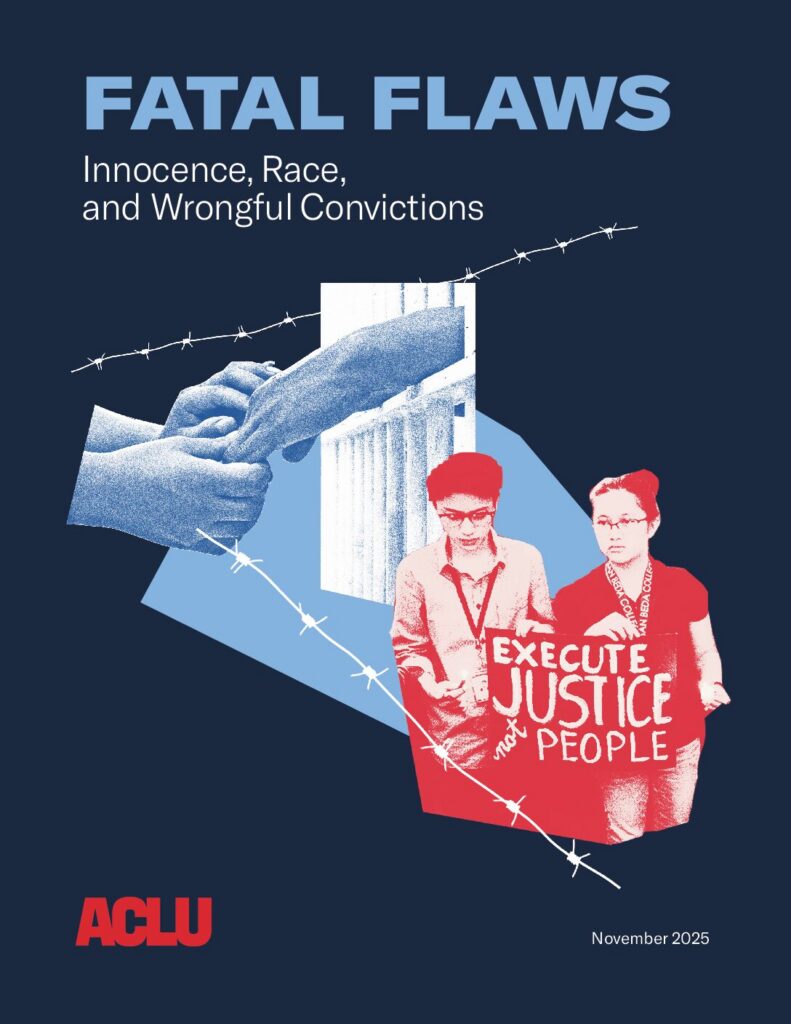
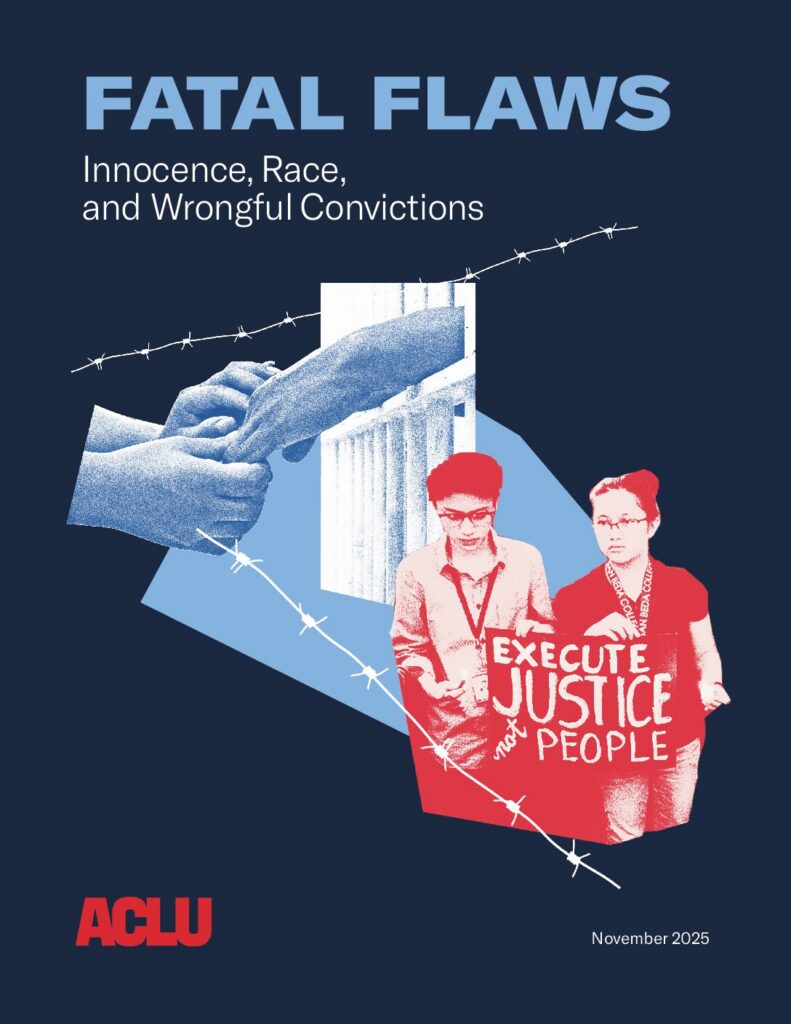
The ACLU’s report, Fatal Flaws: Innocence, Race, and Wrongful Convictions, reinforces that truth with detailed research and real cases from across the country. Across states and over decades, the report makes clear the devastating human cost of prosecutors holding enormous power and facing few real consequences for misusing that power, especially in a system shaped by racial bias.
When accountability fails, harm can become permanent.
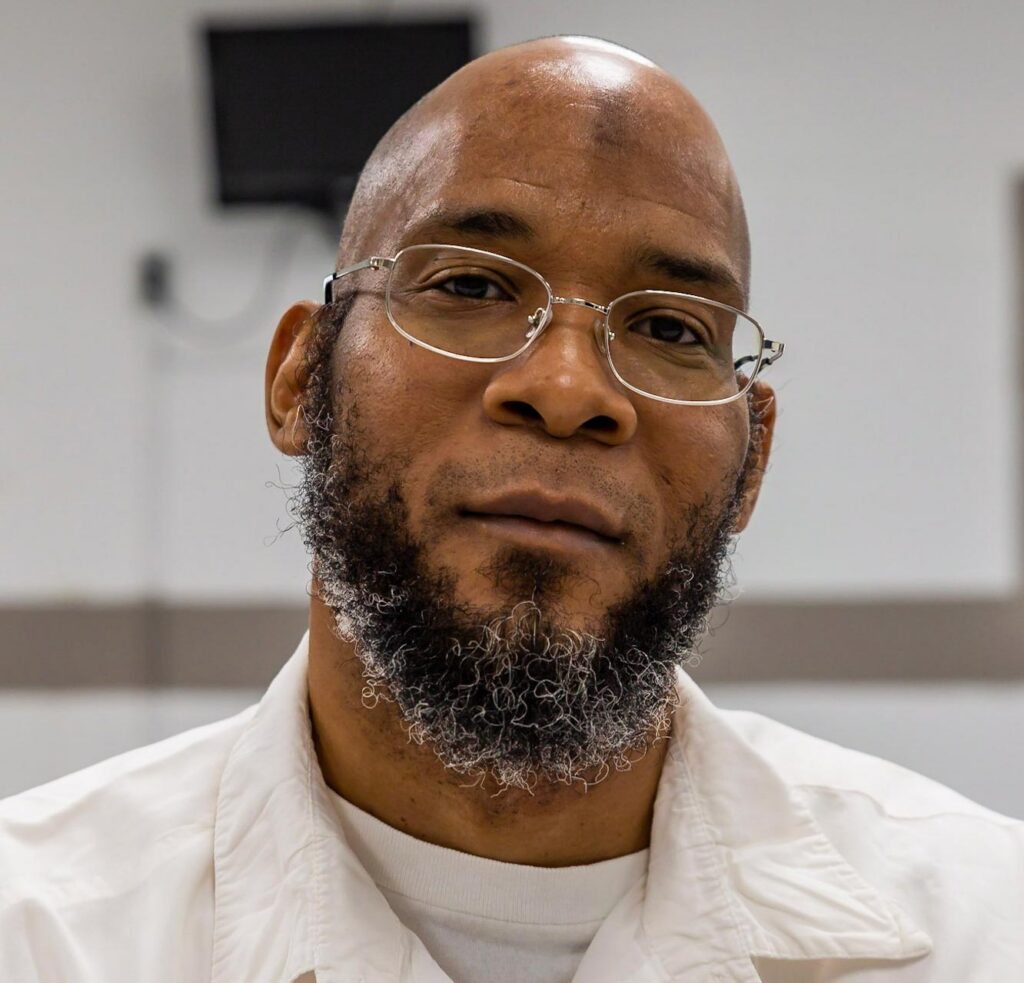
Marcellus Williams - Victim of Misconduct
Marcellus Williams was wrongly convicted for murder and robbery in 2001 after prosecutors introduced unreliable witness testimony and discriminated on the basis of race in jury selection. In 2015, DNA testing of the murder weapon definitively excluded Mr. Williams as a suspect. And in January 2024, St. Louis prosecutor Wesley Bell did the right thing, moving to vacate the convictions. Despite all this, Missouri courts denied the motion to vacate and upheld the convictions of Mr. Williams. In 2024, Marcellus Williams was executed by the state of Missouri for crimes he didn’t commit, and despite one ethical prosecutor’s attempt to do justice in a flawed system.
In Carlos DeLuna’s case, Texas executed a man in 1989 after prosecutors told the jury that another man named Carlos, named by the defense as the actual perpetrator of the crimes charged, did not exist. Later investigations confirmed that Carlos Hernandez did exist, closely resembled Mr. DeLuna, and had a history of knife violence. Worse still, Mr. Hernandez was known to police and prosecutors at the time they told the jury that the “other Carlos” did not exist.
These cases show how prosecutorial misconduct, once committed, can end the lives of innocent people. Once a case reaches its final stages, harm is irreversible and opportunities to correct injustice can disappear entirely.
Decades of harm ensue when misconduct goes unchecked
The ACLU’s account of Glynn Simmons illustrates how severe that harm can be. Mr. Simmons spent nearly 50 years in prison after police and prosecutors failed to disclose records showing that an eyewitness had identified four other people as possible suspects in the case against him. Prosecutors were required to share that evidence. They didn’t. Mr. Simmons was 22 when he was convicted and 70 when his conviction was finally vacated. His case underscores how the harm caused by misconduct compounds over time.
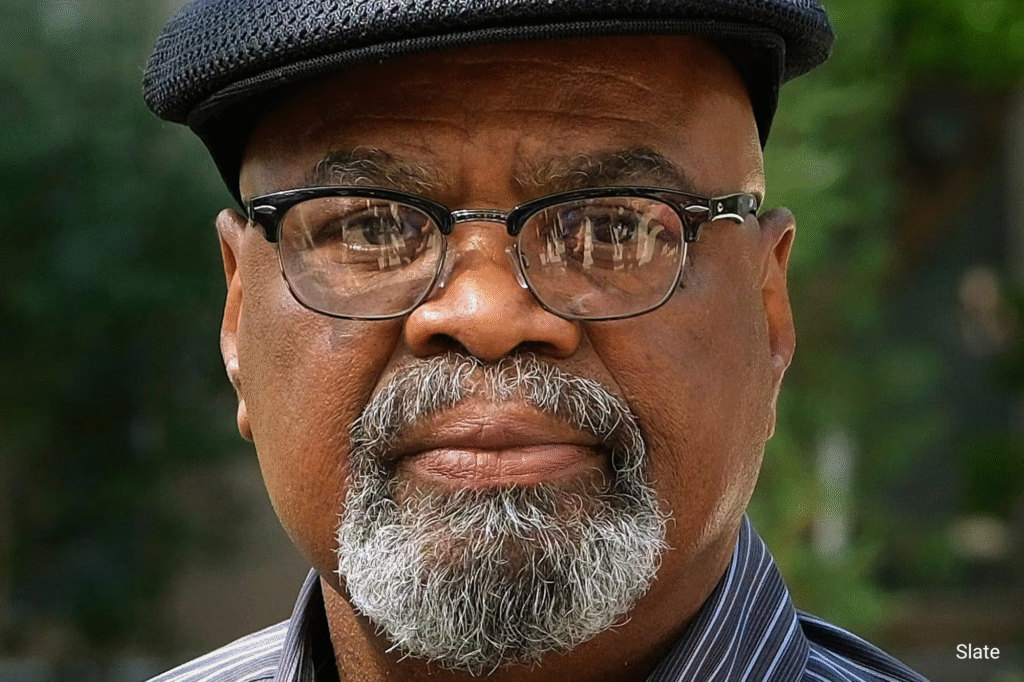
Glynn Simmons - Exoneree
Misconduct follows predictable patterns when accountability is weak

Levon “Bo” Jones - Victim of Misconduct
Fatal Flaws describes familiar drivers of wrongful convictions: evidence withheld from the defense, testimony that later proves unreliable, discriminatory jury selection, and cases that continue even after serious doubts surface.
And, this lack of accountability is reflected in the way some prosecutors discuss overturned cases. Levon “Bo” Jones, a Black man sentenced to death for the murder of a white man, was freed after the key witness against him admitted her testimony was “simply not true.” Prosecutors dismissed the charges against Mr. Jones — yet maintained that he had received a fair trial. To this day, Mr. Jones has not received a pardon, compensation, or acknowledgment from the prosecutors that injustice was done in his case.
At PEP, we understand this as a structural problem. When prosecutors know their actions are largely protected from legal consequences, the system sends a clear message about what behavior will be tolerated. Over time, that message shapes workplace culture, decision-making, and case outcomes.
Race shapes both risk and response
One of the report’s strongest findings is how race affects wrongful convictions. Black defendants are more likely to be wrongfully convicted, more likely to experience prosecutorial misconduct, and more likely to face juries shaped by discriminatory strikes.
The report cites studies showing prosecutors strike Black jurors at far higher rates than white jurors — more than four times as often in one Mississippi district, and more than twice as often in North Carolina capital cases. Researchers found there is less than a one-in-a-thousand chance these disparities occurred randomly.
These outcomes follow clear patterns in how discretion is used. Decisions about who is charged, who sits on juries, and whose claims of innocence are taken seriously all reflect how power is distributed and exercised within the system.
Why accountability must be part of reform

The ACLU calls for major reforms, including ending the death penalty, expanding post-conviction review, improving forensic practices, and ensuring fairer jury selection. These reforms address serious failures in the system.
The report also shows that reforms depend on a system capable of responding when constitutional rights are violated.
Ending absolute prosecutorial immunity serves as connective tissue that helps other reforms work as intended. Accountability supports ethical prosecution by encouraging transparency, correcting errors, and building public trust. It protects defendants and communities while strengthening the legal profession.
From my own experience in litigation, policy work, and clerking for a federal judge, I have seen how much the justice system relies on trust. Accountability helps make that trust possible by setting clear expectations for how power should be used, and consequences for its misuse.
Moving the conversation forward
The ACLU’s Fatal Flaws report adds to a growing understanding that wrongful convictions cannot be addressed without confronting prosecutorial misconduct and the systems that allow it to continue.
As reform efforts move forward, accountability must be treated as a core part of the work. When prosecutors are accountable to the same laws they enforce, the justice system is better able to correct mistakes, discourage misconduct, and prevent harm before it becomes permanent.